Reach buyers, not bystanders: getting paid ads in front of the right people
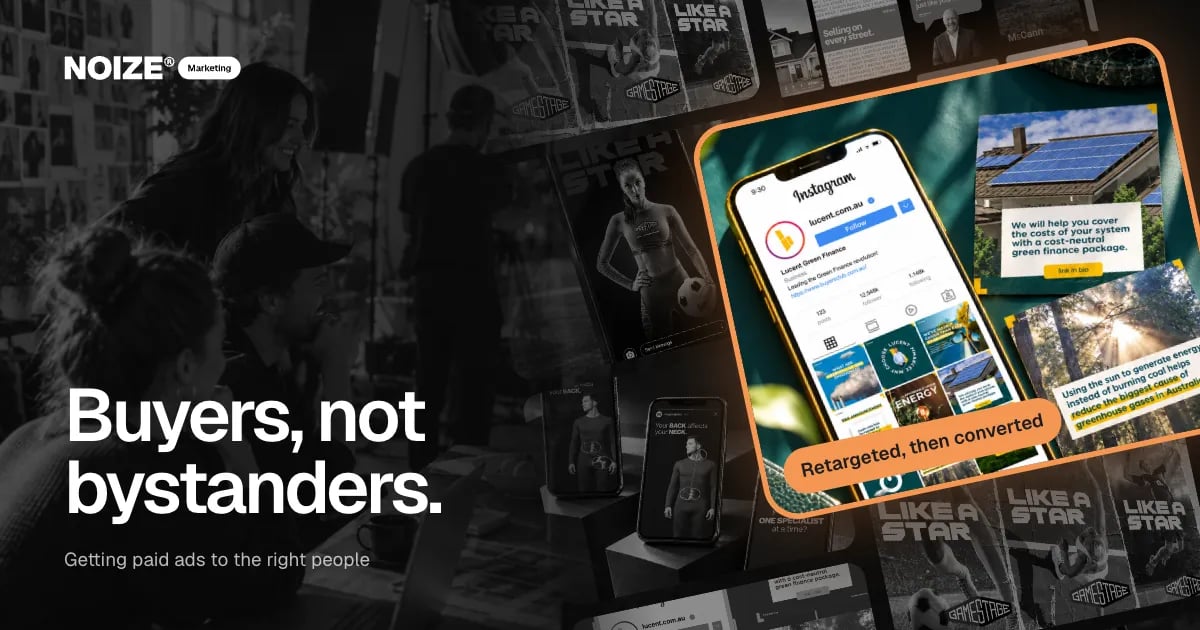
Your ads are being seen. Thousands of impressions a week, a respectable click-through rate, a reasonable cost per click. The question nobody can answer is who is seeing them. Some are potential customers. Many are people who will never buy, scrolling past on their way to something else.
Paid advertising has never been easier to start and never been easier to waste. The platforms will happily spend any budget. Getting that budget in front of buyers rather than bystanders takes deliberate choices about audience, intent, timing and creative.
The short version
- Effective paid media targets people by intent and fit, not just demographics.
- Google and Microsoft Ads catch people actively searching.
- Meta and LinkedIn reach people who match your best customers before they search.
- Retargeting brings back people who already showed interest.
- Combine them deliberately, exclude people who aren't a fit, send each audience to a page built for them and judge results by cost per customer rather than cost per click.
Why ads reach bystanders
01Audiences are too broad
"Everyone aged 25 to 65 in Queensland" is not a target market. Broad audiences are cheap per impression and expensive per customer.
02Intent is ignored
Someone searching "emergency plumber near me" is ready to buy. Someone scrolling a feed is not. Treating them the same wastes money on both.
03Exclusions are missing
Existing customers, job seekers, competitors and people outside your service area often see ads they will never act on.
04Creative is generic
Ads that could be for any business attract any viewer. Specific creative attracts specific people.
05Success is measured by clicks
Optimising for cheap clicks trains the platform to find people who click, not people who buy.
How to reach buyers
01Start with your best customers
Define who they are, what they need and what prompts them to look. Upload customer lists where appropriate to help platforms find similar people.
02Use search for intent
Google and Microsoft Ads let you appear exactly when someone searches for what you sell. Choose keywords that signal buying intent, and exclude ones that don't.
03Use social for fit
Meta and LinkedIn are better at finding people who match your best customers before they search. LinkedIn is particularly useful for business-to-business offers where job title and industry matter.
04Retarget people who showed interest
Visitors who viewed a service page, started a booking or watched a video are far more likely to buy than strangers. Retargeting keeps the business in front of them while they decide.
05Exclude the wrong people
Remove existing customers from acquisition campaigns, limit locations to your service area and exclude irrelevant search terms.
06Match creative to audience
Write different ads for different audiences, speaking to their specific problem.
07Optimise for real conversions
Tell the platforms which actions matter: enquiries, bookings or purchases. They will find more people likely to take them.
> I've generated more than 100,000 leads through paid media, and the cheapest leads were rarely the best. The campaigns that grew businesses targeted narrowly, paid more per click and produced customers at half the cost. Cheap reach is a trap.
“The top marketing agency I've worked with on the Gold Coast.”
An illustrative example
Imagine a commercial cleaning company running broad Meta ads to "business owners" across the state. Clicks are cheap and enquiries are poor. Rebuilt, the campaigns run Google Ads on buying-intent searches in their service area, LinkedIn ads to facility and office managers in target industries, and Meta retargeting to visitors of the quote page. Total spend is similar. Qualified enquiries rise and the cost per contract falls, because the money is spent on people who actually buy cleaning contracts.
Mistakes to avoid
- Don't spread a small budget across every platform. Start where your buyers are most concentrated and expand when it is working.
- Don't change campaigns daily. Platforms need time and data to learn. Make considered changes and give them time to show results.
- Don't send every ad to the home page. Each audience deserves a page built for its offer, and NOIZE Digital can build them.
And don't stop at the lead. If enquiries aren't followed up quickly, even the best targeting is wasted. NOIZE Sales makes sure the people your ads reach become customers.
Questions to ask before you spend
- Who are our best customers, and where do they spend time online?
- Which searches show someone is ready to buy what we sell?
- Who should we exclude from every campaign?
- What does each audience need to see to take the next step?
- What is a customer worth, and what can we afford to pay to win one?
Clear answers turn ad spend from a guess into a plan.
What good looks like after ninety days
Campaigns are split by intent and audience, each with its own message and landing page. Search terms are reviewed regularly and irrelevant ones excluded. Retargeting runs for recent visitors. The platforms optimise for enquiries or sales, not clicks. And the monthly report shows cost per customer by channel, so budget moves to where buyers are.
Where to start this week
Open your ad accounts and check three things: which locations and audiences you target, which search terms triggered your ads last month, and which conversion each campaign is optimising for. Each one usually reveals spend going to bystanders. See marketing.noize.com.au.
How Marketing connects to the rest of NOIZE
Marketing works best when it isn't working alone. NOIZE Strategy defines who the business is for and what it should lead with, so campaigns target the right people with the right offer. NOIZE Creative builds the brand and the ideas that make ads worth stopping for. NOIZE Digital builds the landing pages, tracking and CRM connections that turn clicks into measurable enquiries. NOIZE Sales follows up every lead quickly and records the outcome, so Marketing learns which campaigns produce customers. When the business needs extra hands, NOIZE Talent can provide them. One plan runs through all of it, which is why attention becomes growth instead of just traffic.
Related reading
- Attention is easy. Growth is harder: measuring the marketing that matters
- One plan instead of five channels
Common questions
Which is better, Google Ads or Meta Ads?
They do different jobs. Google Ads captures active searchers. Meta reaches people before they search. Most businesses benefit from both, used deliberately.
Are LinkedIn Ads worth it?
For business-to-business offers where job title, seniority or industry matter, they can be very effective despite higher costs per click.
What is retargeting?
Showing ads to people who have already interacted with your website or content, keeping you visible while they decide.
How much should I spend on paid ads?
Enough to gather meaningful data in your chosen channels. We start with what a customer is worth and work back to a sensible test budget.
Why are my ads getting clicks but no enquiries?
Common causes are broad targeting, weak offers, landing pages that don't match the ad and slow mobile pages.
How long does it take for paid ads to work?
Search campaigns can produce results quickly. Social campaigns often need a few weeks of learning and testing.
Your first strategy conversation is on us.
Have a chatThe brand for business.